For decades, traditional site-built homes have been the standard across the United States. While they continue to serve an important role, today’s housing market is creating new challenges that are driving interest in alternative building methods. Rising labor costs, material shortages, unpredictable weather, and longer construction schedules have encouraged builders, developers, and homeowners to explore more efficient solutions.
One of the fastest-growing alternatives is modular construction.
Unlike conventional construction, where nearly every component is built outdoors, modular buildings are manufactured in a controlled environment before being transported to the project site for final assembly. This approach allows construction and site preparation to happen at the same time, reducing delays while improving quality control throughout the manufacturing process.
More Than Just Faster Construction
Many people associate modular construction with speed, but the advantages extend well beyond shorter project schedules.
Factory production creates a consistent environment where materials are protected from weather, measurements can be verified repeatedly, and manufacturing processes become highly standardized. This often leads to greater accuracy, less material waste, and improved overall quality compared to projects that are exposed to changing site conditions.
Because much of the work takes place indoors, weather has far less impact on production, making project timelines more predictable.
Smarter Design for Modern Living
Housing needs have changed dramatically over the past decade. Families are looking for homes that are easier to maintain, consume less energy, and make better use of available space.
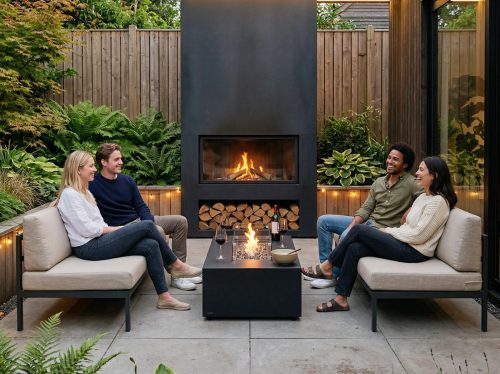
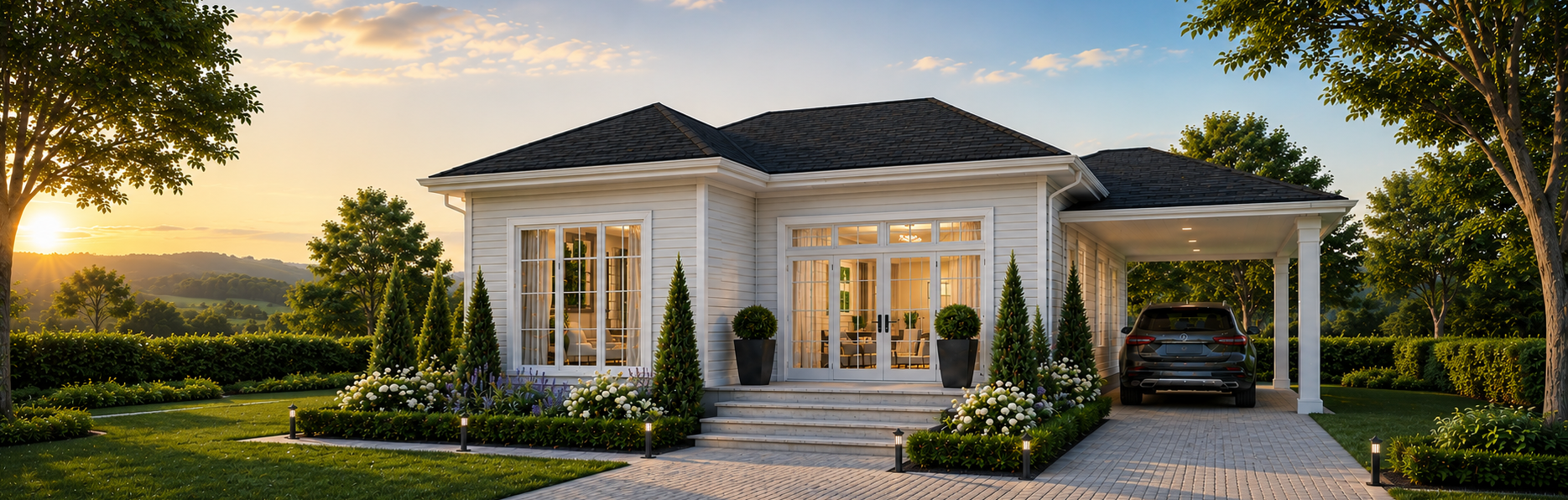
Modern modular homes are responding to these expectations with open floor plans, flexible living areas, abundant natural light, and efficient storage solutions. Rather than simply building larger homes, many designers are focusing on creating spaces that function better and adapt to changing lifestyles.
This shift reflects a broader movement toward quality of living rather than quantity of space.
Sustainability Matters
Environmental considerations have also become an important factor in residential construction.
Manufacturing buildings in a controlled facility can reduce construction waste, improve material utilization, and minimize disruption at the building site. Many modular builders are also incorporating higher-performance insulation, energy-efficient windows, and sustainable building materials that help reduce long-term energy consumption.
As building codes continue to evolve, modular construction is well positioned to meet increasingly demanding energy and environmental standards.
Not Just for Homes
Although modular construction is often associated with single-family housing, its applications extend far beyond residential neighborhoods.
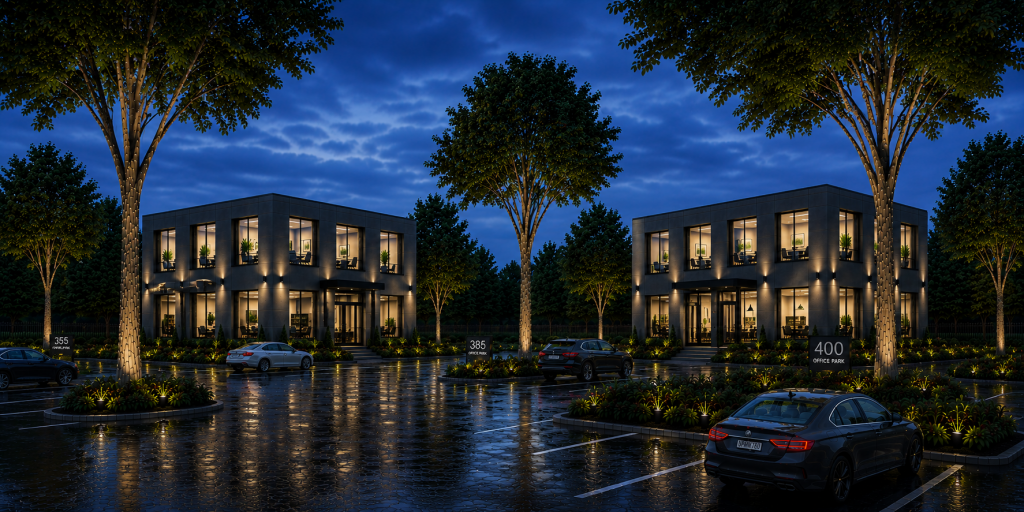
Today, modular systems are being used for offices, healthcare facilities, schools, hospitality projects, workforce housing, retail spaces, emergency response buildings, and multi-family developments. Advances in engineering and manufacturing have made modular construction suitable for projects of many sizes and levels of complexity.
This versatility is one of the reasons modular construction continues to gain acceptance throughout the construction industry.
Looking Ahead
As technology continues to improve, modular construction is likely to play an increasingly important role in addressing America’s housing and commercial building needs.
Advances in digital design, precision manufacturing, sustainable materials, and engineered building systems are changing how buildings are designed, manufactured, and assembled. Rather than replacing traditional construction, modular building offers another solution one that is particularly well suited for projects requiring efficiency, consistency, and predictable outcomes.
Companies such as Nunez Modular are contributing to this evolution by combining engineered construction techniques with modern architectural design, helping demonstrate how modular buildings can meet the demands of today’s homeowners, businesses, and communities.
As the industry continues to mature, modular construction is becoming less of an alternative and more of a mainstream approach to building for the future.
Why Modular Construction Is Changing the Way America Builds
For decades, traditional site-built homes have been the standard across the United States. While they continue to serve an important role, today’s housing market is creating new challenges that are driving interest in alternative building methods. Rising labor costs, material shortages, unpredictable weather, and longer construction schedules have encouraged builders, developers, and homeowners to explore more efficient solutions.
One of the fastest-growing alternatives is modular construction.
Unlike conventional construction, where nearly every component is built outdoors, modular buildings are manufactured in a controlled environment before being transported to the project site for final assembly. This approach allows construction and site preparation to happen at the same time, reducing delays while improving quality control throughout the manufacturing process.
More Than Just Faster Construction
Many people associate modular construction with speed, but the advantages extend well beyond shorter project schedules.
Factory production creates a consistent environment where materials are protected from weather, measurements can be verified repeatedly, and manufacturing processes become highly standardized. This often leads to greater accuracy, less material waste, and improved overall quality compared to projects that are exposed to changing site conditions.
Because much of the work takes place indoors, weather has far less impact on production, making project timelines more predictable.
Smarter Design for Modern Living
Housing needs have changed dramatically over the past decade. Families are looking for homes that are easier to maintain, consume less energy, and make better use of available space.
Modern modular homes are responding to these expectations with open floor plans, flexible living areas, abundant natural light, and efficient storage solutions. Rather than simply building larger homes, many designers are focusing on creating spaces that function better and adapt to changing lifestyles.
This shift reflects a broader movement toward quality of living rather than quantity of space.
Sustainability Matters
Environmental considerations have also become an important factor in residential construction.
Manufacturing buildings in a controlled facility can reduce construction waste, improve material utilization, and minimize disruption at the building site. Many modular builders are also incorporating higher-performance insulation, energy-efficient windows, and sustainable building materials that help reduce long-term energy consumption.
As building codes continue to evolve, modular construction is well positioned to meet increasingly demanding energy and environmental standards.
Not Just for Homes
Although modular construction is often associated with single-family housing, its applications extend far beyond residential neighborhoods.
Today, modular systems are being used for offices, healthcare facilities, schools, hospitality projects, workforce housing, retail spaces, emergency response buildings, and multi-family developments. Advances in engineering and manufacturing have made modular construction suitable for projects of many sizes and levels of complexity.
This versatility is one of the reasons modular construction continues to gain acceptance throughout the construction industry.
Looking Ahead
As technology continues to improve, modular construction is likely to play an increasingly important role in addressing America’s housing and commercial building needs.
Advances in digital design, precision manufacturing, sustainable materials, and engineered building systems are changing how buildings are designed, manufactured, and assembled. Rather than replacing traditional construction, modular building offers another solution one that is particularly well suited for projects requiring efficiency, consistency, and predictable outcomes.
Companies such as Nunez Modular are contributing to this evolution by combining engineered construction techniques with modern architectural design, helping demonstrate how modular buildings can meet the demands of today’s homeowners, businesses, and communities.
As the industry continues to mature, modular construction is becoming less of an alternative and more of a mainstream approach to building for the future.